
Prehistoric Farm Egg Guide: Incubation Timers and Sources
How eggs work in Prehistoric Farm: where eggs come from, observed incubation timers, hatchery pickup, feeding and every confirmed egg type including event eggs.
FAQ
Can you buy eggs in Prehistoric Farm?
How long does incubation take?
What are sea reptile eggs?
Where do you pick up the hatchling?
Where do eggs come from?
Prehistoric Farm does not sell eggs. Every confirmed egg source is one of three:
- Fossil sets — the default path. Complete a set, trade it to Dr. Ivy, receive the species egg. The DNA guide walks the trade step by step.
- Redeem codes — event codes have handed out species eggs directly: the expired NESSIEISHERE gave a Diplodocus Egg, and the current UPDATE1 code gives a Velociraptor Egg (see the codes page).
- The Sunken Grotto — sea reptile eggs can be stolen from this underwater area. What they hatch into is undocumented so far; treat any specific claim you read elsewhere as unverified.
How does the incubator work?
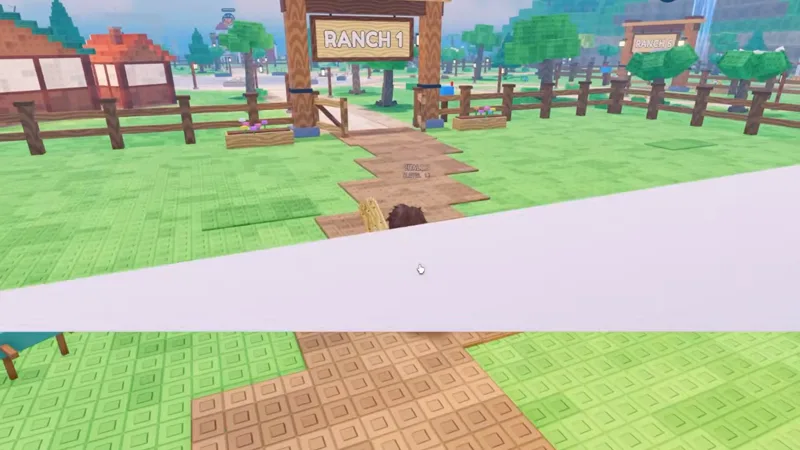
After Dr. Ivy’s trade animation, carry the egg to the incubator on the home island. A countdown appears on screen — observed timers were roughly 5:00 minutes for a first Hallucigenia egg and 2:30 for a Tiktaalik egg. These are single-session observations from playthrough footage, not a published per-species table, so treat them as ballpark: expect a short wait measured in minutes, not hours.
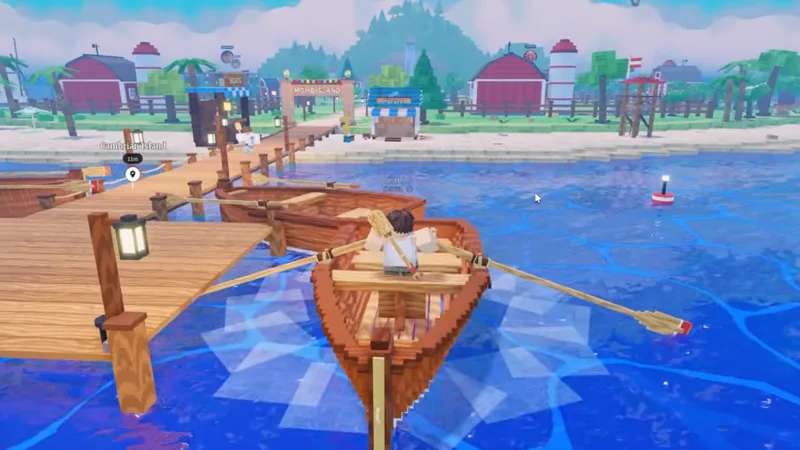
One practical tip from the same footage: incubation is dead time unless you fill it. Sail back out and dig toward your next set, or fish off the boat while you wait. The full digging loop is in the digging guide.
What happens when the egg hatches?
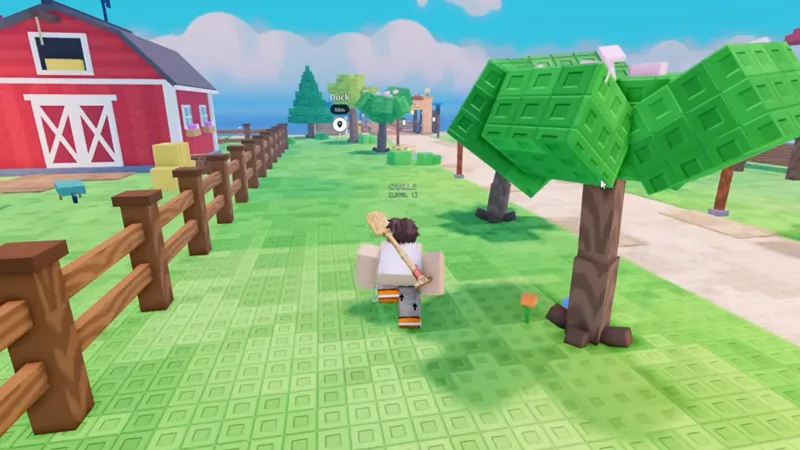
When the countdown hits zero, collect the hatchling at the hatchery and place it on your ranch. From that moment the important number is the belly meter: the official How To Play text says “Keep your dino’s belly over half full so it keeps growing.” An under-fed dinosaur pauses its growth from Newborn toward Elder — which is also the rideable threshold (see the riding guide).
Feeding costs coins, and the cost scales as dinosaurs reach Elder stage — budget for it before hatching egg after egg. The money guide covers keeping coin income ahead of a growing herd.
Which dinosaurs can each egg produce?
Each fossil set maps to one prehistoric species — the Cambrian sets hatch creatures like Hallucigenia and Pikaia, and the deeper islands hatch bigger species. The full verified roster, including Update 1’s mythic additions, is in the dinosaur list, and the strongest picks are ranked in best dinosaurs. New players should start with the beginner guide — the egg you care about first is whichever set your starter island can finish fastest.
Related Articles
codes
Prehistoric Farm Codes (October 2026): All Active Codes
All 6 working Prehistoric Farm codes, cross-checked October 12, 2026. Free coins, dinosaur eggs and 2x potions, plus how to redeem and why codes fail.
dinosaurs
Best Dinosaurs in Prehistoric Farm: Tier List (Update 1)
The best Prehistoric Farm dinosaurs ranked — fastest mounts, best long-trip rides, mythics from Update 1 and which eggs are worth the grind right now.
dinosaurs
Prehistoric Farm Dinosaur List: Every Creature in the Game
Every dinosaur and prehistoric creature in Prehistoric Farm — verified species from the fossil sets, code rewards and bosses, plus the reported rarity roster.
Was this helpful?
Thanks for the feedback!